
A Community at a Crossroads
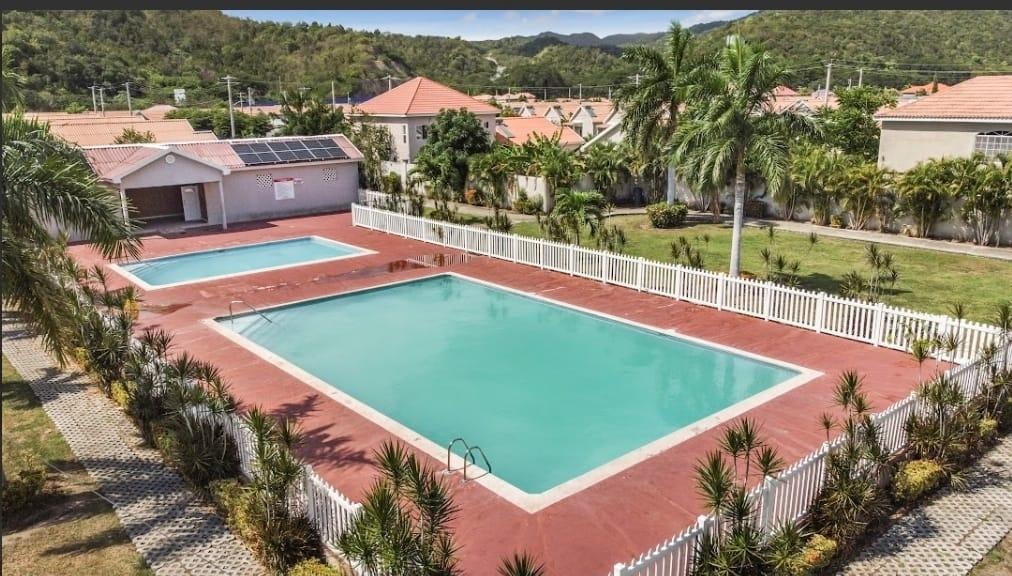
Caymanas Country Club Estate is one of Jamaica’s largest gated communities — 679 households nestled in the hills of St. Catherine, with pools, playgrounds, and 24-hour security. But behind the well-kept lawns, the Citizens Association was facing a financial crisis.
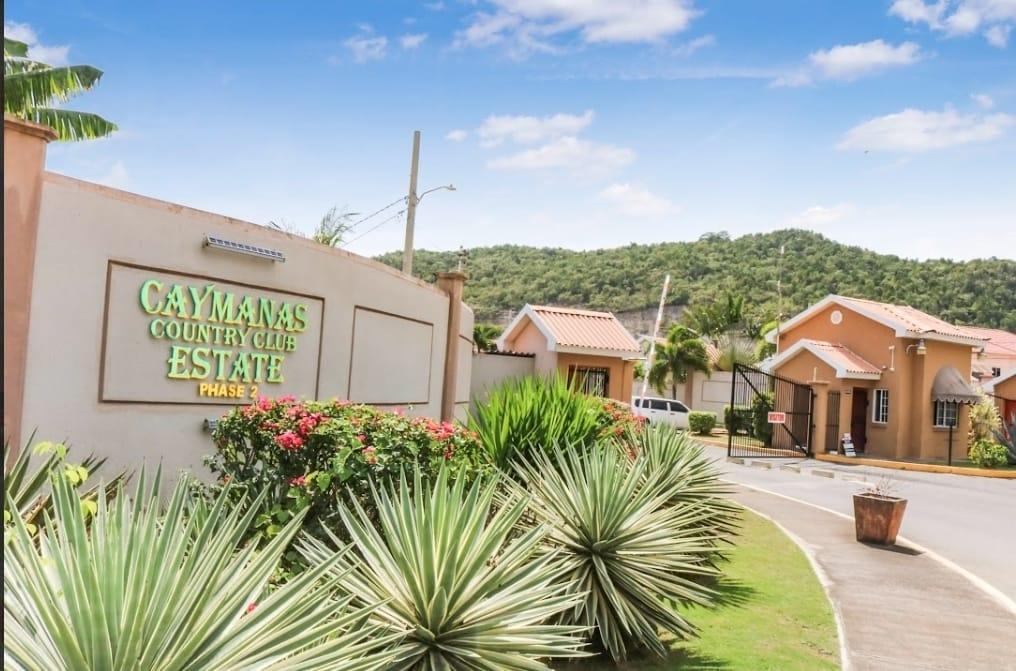
In 2023, nearly half the community was delinquent on maintenance fees. Of 679 lots, 317 owed money — and 209 of those were chronically behind, carrying a combined J$13.4 million in unpaid arrears. The Association had policies on paper: dunning procedures, escalation rules, and enforcement guidelines. But without a system to execute them, those policies were largely unenforceable.
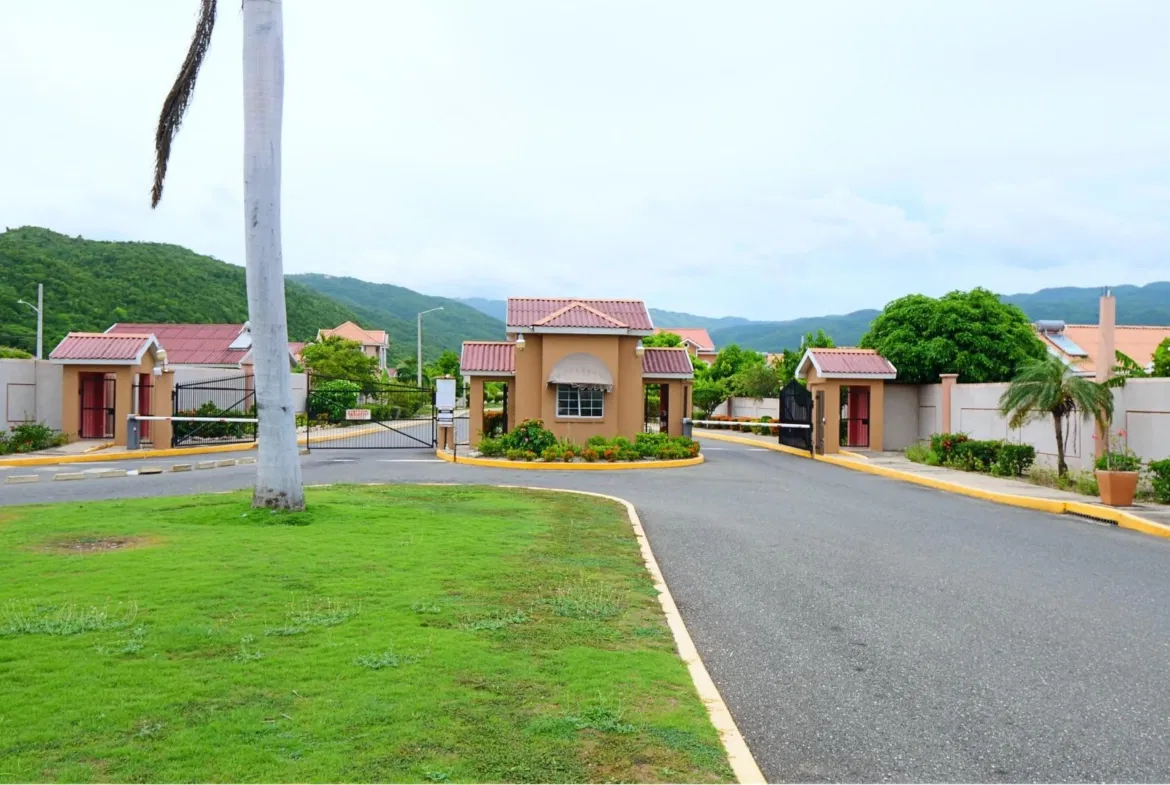
Reminders went out inconsistently. Residents received quarterly statements — if they received them at all. Communication relied on Mailchimp, where contact lists went stale as residents moved and email addresses changed. At the gate, every visitor required a phone call to the homeowner, and there was no digital record of who entered or when.
The board knew something had to change.
The Turning Point
In December 2023, Caymanas Estate partnered with FiWi Community. The platform replaced manual processes with real-time visibility — residents could see their balances instantly, automated reminders went out on schedule, and the board finally had the enforcement tools to back up their policies.
The most dramatic proof came in April 2024. When the Association activated gate-level service restrictions for delinquent accounts for the first time, the response was immediate: J$4 million in outstanding fees were collected within days — not weeks, not months. It was a clear signal that the platform had given the Association something it never had before: the ability to follow through.
The Results
Over two years, the transformation reshaped the community’s financial health and daily operations.
Collections recovery exceeded expectations. Good standing rose from 53% to 77%. The number of delinquent accounts was cut in half — from 317 to 159. Chronic arrears dropped by J$6.1 million, from J$13.4M to J$7.2M.
Residents changed how they pay. Perhaps the most telling shift: residents didn’t just start paying on time — they started paying ahead. Prepaid accounts nearly doubled from 177 to 301, and the prepayment pool grew from J$2.8 million to J$5.6 million. What was once a community where people paid late became one where nearly half pay early.
Communication became reliable. Stale email lists were replaced with a system where contact information stays current by design — because residents’ login credentials are their contact details. The Association can now reach verified residents with targeted messages: owners only, tenants only, specific blocks, or accounts based on standing.
Visitor management went from zero to 87,000+. Before FiWi, every visitor was a phone call. Now, 88% of visitors are pre-registered through the app, with QR codes that get them through the gate in seconds. Only 12% of entries require a manual call. Every entry and exit is logged digitally, giving the community a complete security audit trail it never had.
What Made the Difference
The board report put it plainly: “Policy without systems is aspiration. Policy with FiWi became execution.”
Caymanas Estate didn’t lack rules — it lacked the infrastructure to enforce them. The platform provided real-time balance visibility instead of quarterly statements, automated reminders instead of inconsistent manual follow-up, and gate-level consequences instead of unenforceable warnings. The result was a community that went from nearly half its residents in arrears to more than three-quarters in good standing — in under two years.
The numbers speak for themselves. Good standing improved by 23 percentage points, delinquent accounts were cut in half, and our residents have shifted from paying late to paying ahead. This platform converted our policies from aspirations into results.