
Insurance might seem like just another line item on a strata corporation’s annual budget. One more expense to debate at the AGM, one more cheque to write, one more certificate to file. But under the Registration (Strata Titles) Act, building insurance is a legal obligation — and the consequences of letting it lapse cascade through every aspect of corporation compliance and property values in ways most board members do not fully appreciate.
When the Commission of Strata Corporations conducts random inspections, inadequate or missing insurance is one of the violations most frequently identified. It is also one of the most consequential.
The Legal Requirement
The Registration (Strata Titles) Act is clear: the strata corporation must insure the building structure and common property. This is not discretionary. It is not subject to a board vote. It is a legal obligation of the corporation.
The scope of coverage includes the building structure itself and all common property — hallways, gardens, recreational facilities, building systems, parking areas, walkways, and all shared infrastructure. The insurance protects the physical assets that every proprietor shares an interest in.
The Only Exception
There is exactly one circumstance under which a strata corporation can operate without building insurance: a unanimous resolution from all proprietors to decline coverage.
Not a majority vote. Not a 75% vote. Unanimous. Every single proprietor must agree.
In practice, achieving unanimity in a strata corporation of any meaningful size is nearly impossible. It takes only one proprietor who wants insurance — or one proprietor who has a mortgage lender requiring it — to prevent the resolution from passing.
This means building insurance is effectively mandatory for every strata corporation in Jamaica. Any board member who believes the corporation can simply vote not to insure misunderstands the legal threshold.
Why Insurance Matters Beyond Compliance
Mortgage Accessibility
This is perhaps the most immediate practical consequence of an insurance lapse. Banks and mortgage lenders require evidence that the building is insured before approving mortgage financing for individual units within the development.
If the corporation’s building insurance has lapsed, individual proprietors seeking new mortgages or refinancing may be unable to obtain approval. The proprietor’s personal finances may be impeccable, but if the building is uninsured, the lender’s collateral is at risk — and the mortgage application is declined or delayed.
For a proprietor trying to sell their unit, this creates a direct obstacle. The buyer cannot secure financing. The sale falls through. Property values in the development decline as the market recognises the insurance gap.
CSC Inspection Failure
When CSC inspectors arrive for a random inspection, insurance coverage is one of the first things they verify. They ask for current policy certificates and evidence of continuous coverage. Missing or lapsed insurance is an immediate compliance failure.
The inspection finding becomes part of the corporation’s record — visible on status certificates that prospective buyers and their attorneys request as part of due diligence. A compliance failure on insurance is a red flag that signals broader governance issues.
Incomplete Annual Returns
Annual returns (Forms 13A, 13B, 13C) filed with the CSC must include insurance documentation. Returns filed without valid insurance documentation are non-compliant. Since only about 12% of corporations file annual returns at all, those that do file but omit insurance documentation are failing even while attempting to comply.
Property Value Impact
An uninsured building is a risk that sophisticated buyers, lenders, and valuers factor into their assessments. In a market where status certificates are increasingly requested as part of due diligence, an insurance gap is visible and quantifiable. It reduces property values not just for the individual unit but for the entire development.
Jamaica’s Risk Environment
The legal requirement for building insurance exists for a reason that goes beyond regulatory compliance. Jamaica’s geographic and climatic reality makes building insurance not just a legal obligation but a practical necessity.
Hurricane exposure. Jamaica sits in the Atlantic hurricane belt. Category 4 and 5 hurricanes have struck the island with devastating effect. A strata building without insurance that sustains hurricane damage faces repair costs that must be funded entirely from proprietor contributions — contributions that many may be unable or unwilling to make.
Earthquake risk. Jamaica sits on the boundary between the Caribbean and Gonave tectonic plates. The island has a history of significant seismic events. Earthquake damage to an uninsured building creates a financial liability that can exceed the total value of the development.
Flood risk. Climate patterns are producing more intense rainfall events. Developments in flood-prone areas face water damage risks that insurance is designed to mitigate.
For a strata corporation to operate without building insurance is not just a compliance failure. It is a gamble with every proprietor’s investment — a gamble where the downside is catastrophic and the premium cost is modest by comparison.
Common Problems
Policy Lapses
The most common insurance failure is not a deliberate decision to drop coverage. It is an administrative failure to renew. The policy expires. The committee member responsible for insurance has left the committee, or the renewal notice went to an old address, or the renewal date was simply forgotten in the press of other obligations.
By the time anyone notices, the building has been uninsured for weeks or months. During that gap, any damage event — fire, hurricane, earthquake, flood, or even a burst pipe in common areas — would be entirely unfunded.
Inadequate Coverage
Some corporations maintain insurance but with coverage amounts that have not been updated to reflect current replacement values. A policy written five years ago for a building that has appreciated significantly may cover only a fraction of the actual repair or replacement cost. Underinsurance is almost as dangerous as no insurance — it creates a false sense of security.
Individual vs. Corporation Coverage
There is often confusion about what the corporation’s building insurance covers versus what individual proprietors need to arrange separately. The corporation insures the building structure and common property. Individual proprietors are responsible for insuring their own unit contents, personal property, and any improvements they have made to the interior of their units.
This distinction should be communicated clearly to all proprietors at the AGM.
Managing Insurance Properly
Effective insurance management for a strata corporation requires:
Track policy details. Know the insurer, policy number, coverage amounts, deductibles, exclusion terms, and expiration date. This information should be accessible to all executive committee members, not stored in one person’s email.
Set renewal reminders. Do not rely on the insurer’s renewal notice arriving on time or reaching the right person. Set reminders well in advance of the expiration date — at least 60 days before — to allow time for review, comparison, and renewal.
Review coverage annually. At each AGM, review the building insurance policy. Are coverage amounts adequate? Have building values changed? Are there new risks that should be addressed? Has the development undergone modifications that affect the coverage scope?
Store documentation centrally. Insurance certificates should be stored where any authorised committee member can access them instantly — for annual returns, for CSC inspections, and for proprietor inquiries.
Track the unanimous resolution requirement. If any proprietor or committee member proposes declining insurance, the entire membership must be informed that a unanimous resolution is required. Document the outcome of any discussion.
The FiWi Approach
FiWi Community provides insurance tracking as part of its compliance management suite. Policy details, expiration dates, and coverage amounts are stored in the platform. Automated renewal reminders are sent before policies expire. Insurance certificates are stored digitally and included automatically when preparing annual returns.
When the CSC inspection letter arrives, insurance documentation is ready. When a proprietor needs evidence of building insurance for a mortgage application, the certificate is accessible. When the AGM reviews coverage, the current policy details are at the board’s fingertips.
Building insurance is one compliance obligation that no strata corporation can afford to get wrong. The legal requirement is clear. The consequences of failure are severe. And the administrative burden of managing it properly is trivial compared to the cost of an uninsured loss in a Caribbean building.
The only question is whether your corporation’s systems are keeping it current — or whether the next CSC inspection will reveal an unpleasant surprise.
See how Caymanas Estate recovered J$6.1 million
679 lots. 53% to 77% good standing. 87,000+ visitors processed digitally. See how FiWi Community turned policy into results.
Stay Updated
Get HOA management tips delivered to your inbox.
Related Posts
Data Protection for Strata Corporations: What the DPA 2020 Requires
Your strata corporation collects personal data from every proprietor and visitor. Under the Data Protection Act, that makes you a Data Controller with legal obligations.
How to Prepare for a CSC Random Inspection (Without Panic)
The Commission of Strata Corporations gives 3 months' notice before inspections. Here's exactly what they check — and how to be ready year-round.
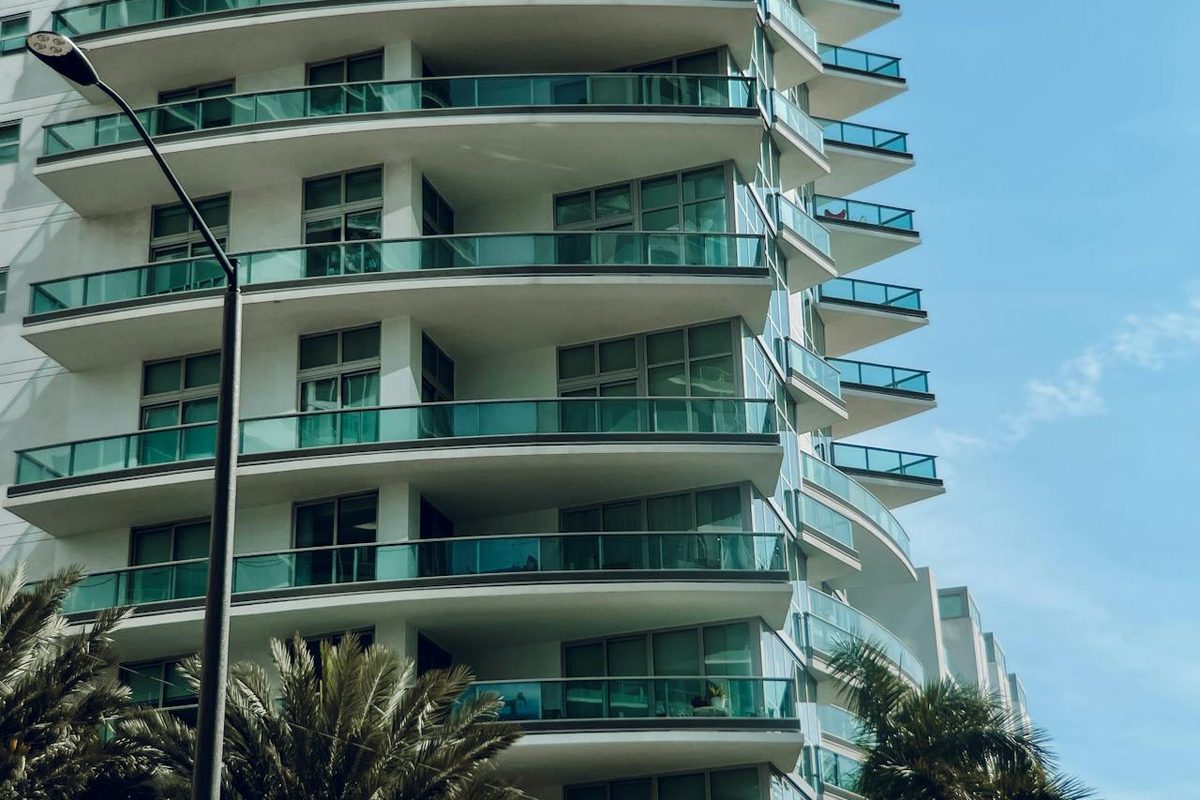
What Happens When the Developer Hands Over Your Strata Corporation
Many Jamaican unit owners have no idea that the developer will eventually hand over governance to a resident board. Here is what the transition involves and how to protect yourself.