
Every day, guests, delivery drivers, contractors, and service providers arrive at the gates of communities across Jamaica. Each one needs to be verified, logged, and granted appropriate access. When this process relies on handwritten logbooks, phone calls to residents, and the judgment of individual security guards, the result is a system that frustrates everyone involved — and creates security gaps that shouldn’t exist.
The Hidden Costs of Manual Visitor Management
The clipboard-and-phone-call approach to visitor management might seem adequate until you examine what it actually costs your community:
Delays and queues. During peak hours — morning deliveries, evening guest arrivals, weekend events — security guards spend most of their time trying to reach residents by phone to verify visitors. Guests wait. Traffic backs up. Residents miss calls and become frustrated when their visitors are delayed.
Incomplete and unreliable records. Handwritten visitor logs are frequently illegible, inconsistent, or simply missing entries. When an incident occurs and property managers need to know who was on the premises at a specific time, the logbook often can’t provide the answer.
No real accountability. Without a digital trail, there’s no way to determine which guard admitted which visitor, whether someone overstayed their authorized access window, or how many unregistered visitors entered the community in a given week.
Security theater, not security. A visitor can write down any name they want in a logbook. Identification often goes unchecked. There’s no systematic way to prevent previously problematic visitors from returning. The appearance of security exists, but the substance doesn’t.
These aren’t theoretical problems. Property managers across Kingston, Montego Bay, and Portmore deal with them daily. Residents rightly expect better.
What a Real Visitor Management System Must Do
When evaluating visitor management solutions for a gated community, strata corporations should look beyond basic features and focus on what actually matters:
Pre-registration by residents. The most effective systems allow residents to register their guests before arrival through a mobile app or web portal. This eliminates the phone-call bottleneck at the gate. The verification burden shifts from security guards to residents, who know exactly who they’re expecting.
Digital credentials for guests. Paper passes are easily lost, duplicated, or shared. Modern systems issue unique digital credentials — typically QR codes — that are time-limited, tied to the host resident, and verifiable by access control hardware at the gate.
Configurable access windows. Not all visitors are the same. A dinner guest needs access for a single evening. A regular housekeeper needs access on specific days. A contractor might need access for two weeks during business hours. The system should support all of these scenarios with configurable expiration times and schedules.
Automatic cleanup of expired credentials. Guest credentials shouldn’t linger in the system indefinitely. The platform should automatically deactivate expired guest records, reducing clutter and eliminating the risk of stale credentials being reused.
Integration with access control hardware. A visitor management system that exists only as an app or a logbook is of limited value. It needs to integrate directly with gates, barriers, and access panels so that guest credentials actually open doors without requiring manual intervention.
Complete audit trails. Every visitor event — registration, arrival, credential scan, departure — should be logged with timestamps and associated with both the visitor and the host resident. Property managers should be able to generate reports for any time period and export data for board meetings or security reviews.
The FiWi Community Approach
FiWi Community’s visitor management system is built into its broader access control platform, providing a unified experience for residents, security personnel, and property managers.
When a resident needs to invite a guest, they open the FiWi mobile app and create a guest entry in seconds. The system generates a unique QR code credential for the visitor, which can be shared via WhatsApp, email, or SMS. When the guest arrives at the gate, they present the QR code at the community’s access panel. The system verifies it instantly and grants access.
Every guest credential is linked to the host resident who created it. This means property managers always know who authorized a visitor’s entry, which unit they’re associated with, and who bears responsibility. This association remains in the system’s records permanently, even after the guest credential expires.
Guest credentials can be configured with specific expiration times. A one-time visitor receives a code valid for a single day. A recurring service provider gets credentials with a defined schedule — for example, access between 8 AM and noon on weekdays only. When the access window closes, the credential becomes inactive automatically.
FiWi handles the entire lifecycle of guest credentials without manual intervention. Once a guest’s access period expires, the credential is deactivated and the record is flagged for cleanup. This prevents the accumulation of outdated entries and ensures the active database remains current and manageable.
When a guest arrives and scans their credential, FiWi can notify the host resident via push notification, SMS, or email. This keeps residents informed about who is entering the community on their behalf and provides an additional layer of awareness.
The Real Impact
The change isn’t just operational — it’s cultural.
For security teams, the job shifts from making phone calls and managing logbooks to active monitoring and response. Guards have clear, real-time information about expected visitors, reducing judgment calls and potential confrontations at the gate.
For residents, inviting a guest becomes simple and dignified. No more waiting at the gate while a guard tries to call. No more explaining to visitors that they need to surrender their ID to a clipboard system. Guests receive a professional digital credential that works seamlessly.
For property managers, there’s complete visibility into visitor activity across the community. Detailed reports for board meetings. The ability to identify patterns — such as excessive unregistered visitors at a particular unit — and address them proactively. Reduced liability through comprehensive audit trails.
Why Communities Resist Change
Despite the clear benefits, many strata corporations continue using manual visitor management for one simple reason: fear that residents won’t adopt it.
The concern is understandable but often misplaced. The real barrier to adoption isn’t complexity — it’s whether the system genuinely makes life easier. If residents have to navigate a clunky interface, remember passwords, or complete multi-step processes just to invite a guest, they’ll revert to calling the guard booth.
FiWi Community’s resident-facing interface is designed around this reality. Creating a guest credential takes seconds. Sharing it happens through the messaging apps residents already use. The system works the way people actually behave, not the way we wish they would.
Moving Beyond Clipboard Security
The clipboard-and-logbook approach might have been adequate when Jamaican gated communities were smaller and simpler. Today’s strata corporations manage hundreds of units, handle dozens of daily visitors, and face increasing expectations from residents who live and work in a digital world.
A purpose-built visitor management system isn’t a luxury. It’s a fundamental component of professional community management. The right platform reduces friction at the gate, strengthens security, provides accountability, and improves the experience for everyone involved.
FiWi Community provides Jamaican gated communities with visitor management that integrates directly with access control hardware, supports QR-based guest credentials, and delivers the reporting and automation that property managers need. Visit fiwi.community to see how it works.
See how Caymanas Estate recovered J$6.1 million
679 lots. 53% to 77% good standing. 87,000+ visitors processed digitally. See how FiWi Community turned policy into results.
Stay Updated
Get HOA management tips delivered to your inbox.
Related Posts
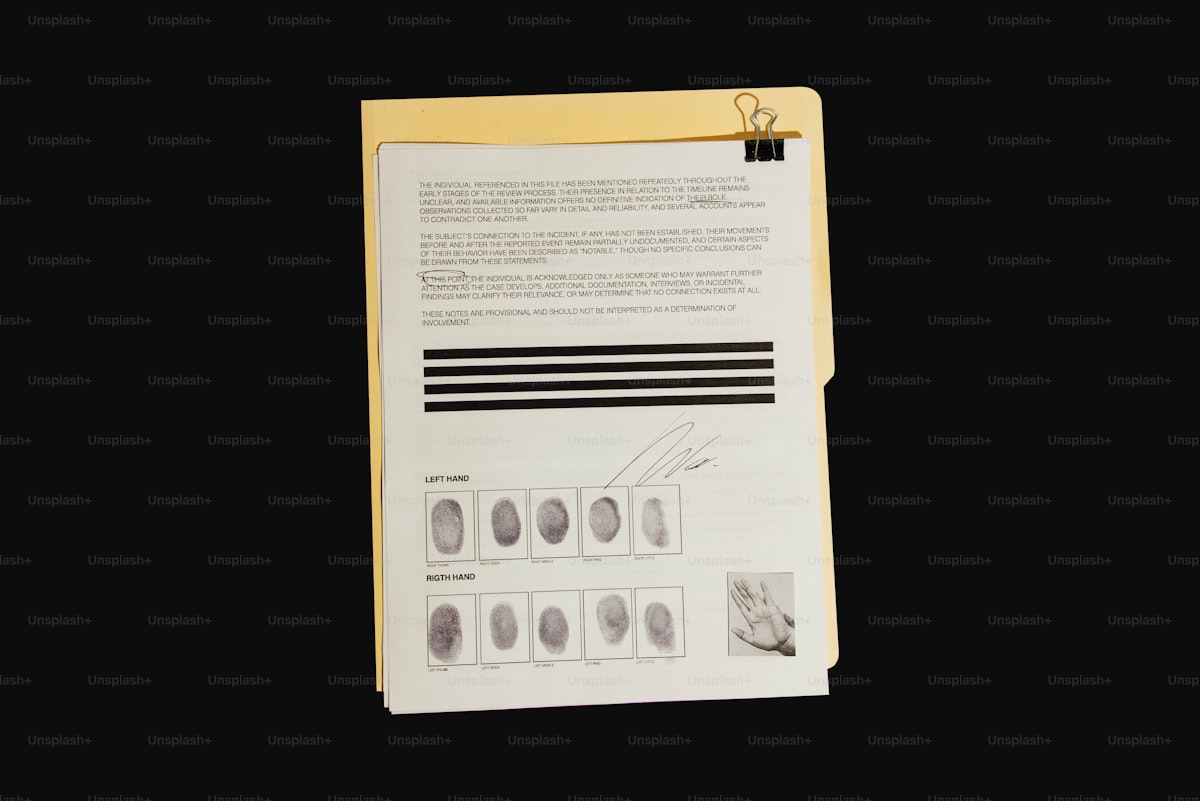
The Walk-Up Visitor Problem: When the Guest List Fails at the Gate
Unregistered visitors create delays, frustration, and security gaps at every gated community. The traditional response—phone calls and waiting—fails several times per day.
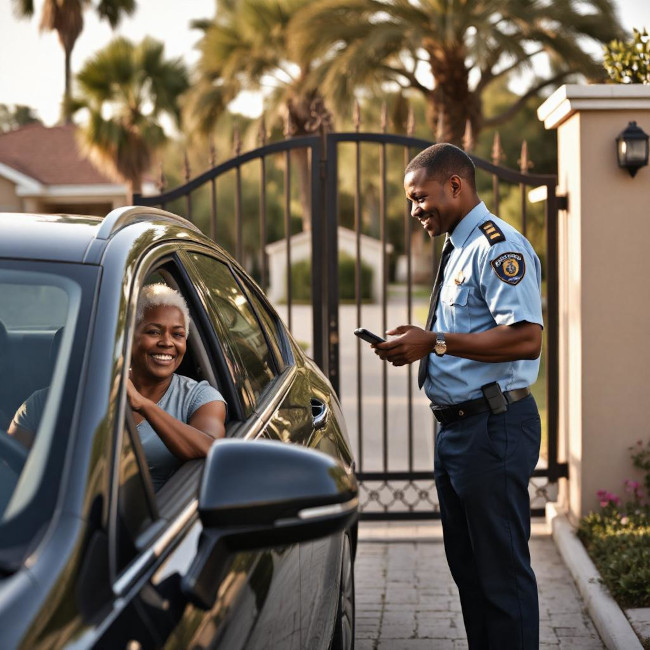
How Automated Visitor Management Improves Community Security
Paper logbooks and manual check-ins create security gaps. Learn how automated visitor management transforms gate operations and keeps residents safer.
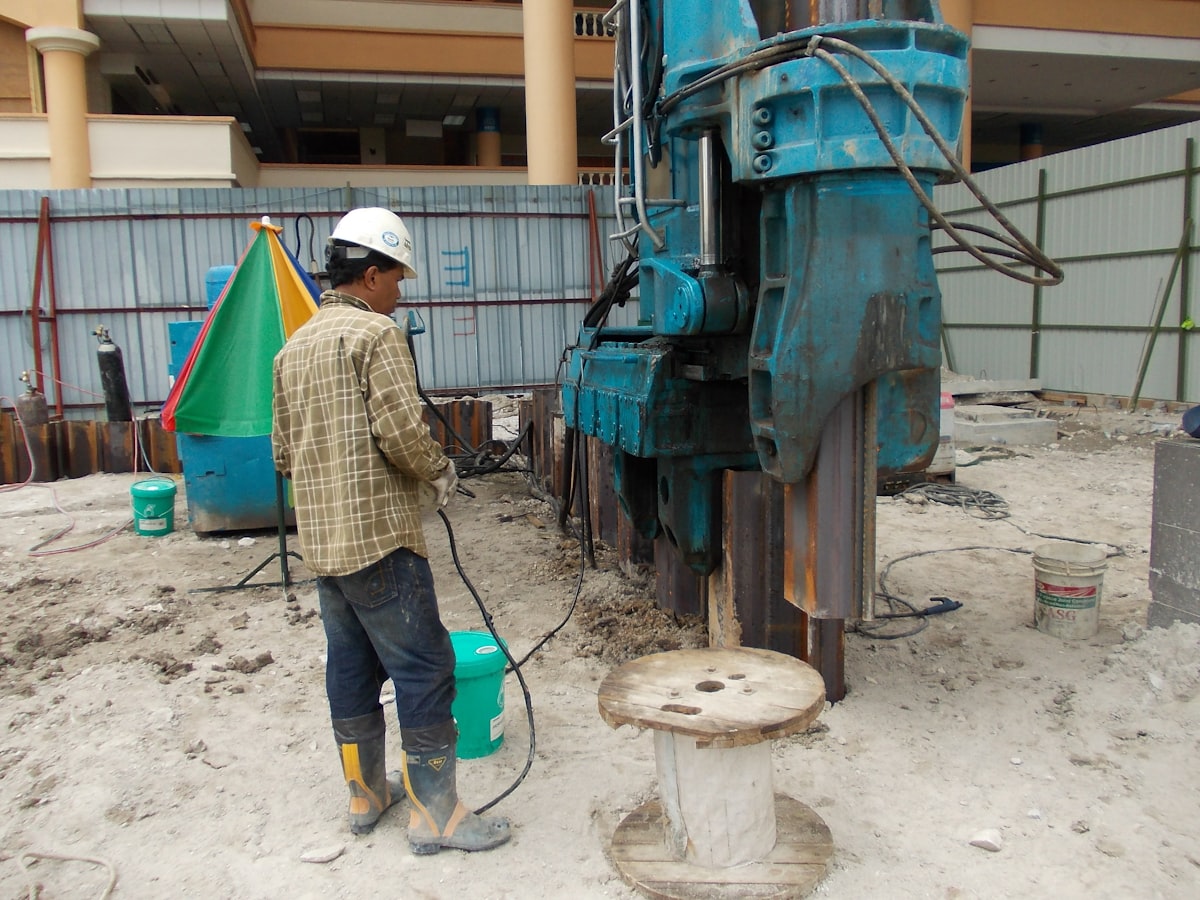
Why Vendor Access Is Your Community's Biggest Security Blind Spot
Every gated community depends on contractors and service providers, but most have no real system to manage them. Here's what's at stake and how to fix it.