
Condominium living in Jamaica has grown dramatically over the past two decades. From high-rise towers in New Kingston to beachfront developments in Montego Bay and expanding townhouse communities in Portmore, more residents are choosing the convenience, amenities, and lifestyle that condominiums offer.
But with that choice comes shared responsibility for security. Unlike standalone homes where owners control their own perimeter, condominium residents share entrances, parking areas, corridors, elevators, amenity spaces, and common grounds with dozens or hundreds of other people.
This shared environment creates unique security challenges that piecemeal solutions — a guard here, a camera there, a logbook at the gate — simply can’t address effectively.
The Security Vulnerabilities Condos Face
Tailgating at Gates and Entrances
Tailgating happens when an unauthorized person or vehicle follows closely behind an authorized one through a gate or door before it closes. In busy condominium complexes, this is one of the most common and difficult-to-prevent security breaches.
A guard can’t physically stop every tailgater, especially during peak hours when residents are arriving home from work and gates are opening and closing frequently. Without an automated system that detects and logs each entry individually, tailgating incidents go unrecorded and unaddressed.
Unauthorized Visitors
Every condominium receives a steady stream of visitors: friends and family, delivery personnel, ride-share drivers, real estate agents showing units, and casual visitors who may not have legitimate reasons to be on the property.
Without a structured visitor management system, distinguishing between authorized and unauthorized visitors falls entirely on the guard’s judgment. When a visitor says “I’m here to see the person in unit 4B,” the guard often has no quick way to verify this claim. Calling the resident may go unanswered. Checking a paper list is slow and unreliable.
The result is that visitors are either waved through without proper verification or left waiting at the gate for extended periods, creating frustration on all sides.
Lost, Shared, and Undeactivated Credentials
Key fobs, gate remotes, and access cards have persistent problems: they’re easily lost, frequently shared, and rarely deactivated when they should be.
A tenant who moves out may keep their key fob. A resident may give a spare remote to a friend “just in case.” A housekeeper may have a card that was never formally issued or registered.
Each scenario represents an uncontrolled credential floating in the community — a way for someone to enter without current authorization and without any record linking them to a verified identity.
Package and Delivery Theft
As online shopping continues growing, so does the volume of packages arriving at condominium complexes daily. Packages left in lobbies, at doors, or in unsecured mail areas are vulnerable to theft — both by outsiders who gain access to the building and by opportunistic individuals already on the property.
Without a clear record of who was in the building and when, investigating a missing package becomes nearly impossible.
Emergency Communication Failures
Hurricanes, earthquakes, fires, and other emergencies require the ability to communicate rapidly with every resident. Many condominium complexes lack reliable, multi-channel communication systems, relying instead on printed notices or WhatsApp groups. In genuine emergencies, these methods are dangerously slow and unreliable.
The Problem with Fragmented Solutions
Many condominiums currently use a patchwork of systems: one solution for the gate, another for CCTV, a spreadsheet for visitor logs, a WhatsApp group for communications, and separate accounting software for finances.
Each system has its own login, its own data format, and its own limitations. Information doesn’t flow between them, which means that answering even a simple question — “Who entered the property last night and were they authorized?” — requires manually cross-referencing multiple sources.
This fragmentation creates several problems:
Security gaps. When systems don’t talk to each other, vulnerabilities emerge. A visitor might be logged in one system but have no corresponding access credential. A vehicle might be captured on camera but have no entry record. These gaps make it impossible to maintain a complete security picture.
Operational inefficiency. Property managers waste time jumping between platforms, exporting data from one system to import into another, and reconciling conflicting information. What should take minutes takes hours.
Incomplete audit trails. When an incident occurs, piecing together what happened requires gathering data from multiple sources. Timestamps don’t match. Records are incomplete. The investigation is hampered from the start.
Higher costs. Multiple systems mean multiple vendors, multiple contracts, multiple training sessions, and multiple support relationships. The total cost of ownership is higher than it appears on individual invoices.
False confidence. The presence of multiple security systems creates the appearance of comprehensive coverage. But if those systems don’t integrate, the actual security posture may be weaker than residents believe.
What Comprehensive Security Actually Means
A truly comprehensive security solution for a condominium isn’t a single product. It’s an integrated ecosystem of hardware, software, and processes that work together seamlessly.
Smart access control. Multiple credential types — QR codes, RFID cards, mobile credentials — so residents, staff, and authorized visitors can use the method that works best. Automated gate and door control that opens for verified credentials and remains closed otherwise. Schedule-based access that restricts entry to specific time windows for vendors and contractors. Instant credential management that allows property managers to activate, deactivate, or modify credentials remotely in real time.
License plate recognition. ALPR cameras at vehicle entry points capture every plate, creating a searchable, timestamped record. When integrated with a resident vehicle database, the system automatically verifies whether a vehicle belongs to a registered resident or is an unknown visitor. Watchlists can flag stolen vehicles, banned individuals, or any plate requiring special attention.
Visitor and vendor management. A structured system allows residents to pre-authorize guests through a mobile app. The guest receives a digital credential — typically a QR code — that they present at the gate. The system verifies it, logs the entry, and opens the gate. No phone calls. No delays. No ambiguity. Vendors are managed similarly, with schedule-based access and credential expiration.
Cloud-based monitoring and reporting. All access events, vehicle logs, visitor records, and security alerts are stored in the cloud, accessible from any authorized device. Property managers can monitor the community in real time, generate reports for strata board meetings, and investigate incidents with complete, accurate data. Cloud storage protects data from local hardware failures, theft, or natural disasters — critical in a hurricane-prone region.
Multi-channel emergency communications. When an emergency occurs, the platform can push notifications to every registered resident simultaneously via email, SMS, and mobile app. This ensures critical information — evacuation instructions, utility outage updates, security alerts — reaches residents within seconds.
How FiWi Community Integrates Everything
FiWi Community is purpose-built for the Caribbean market. It’s not a security system with property management features added as an afterthought, or a property management system with camera integration bolted on. It’s a unified platform that treats security, community management, communications, and financial administration as interconnected functions of a well-run condominium.
For residents, it’s a mobile app that serves as an access credential, guest management tool, community directory, and communication hub. QR code entry is faster and more secure than fumbling for a key fob. Real-time notifications about community events, maintenance schedules, and security alerts keep everyone informed.
For property managers, it’s a single dashboard for access control, visitor management, vehicle monitoring, and resident communications. Automated workflows reduce manual tasks. A full accounting suite with invoicing, accounts payable, banking integration, general ledger, and budgeting exists in the same platform, with QuickBooks integration for existing financial workflows. Document management for strata meeting minutes, community rules, insurance certificates, and other records keeps everything organized.
For strata boards, it’s complete visibility into community security through real-time monitoring and historical reports. Custom roles and permissions give board members appropriate access without overwhelming them. Data-driven insights support better decision-making about security investments, vendor relationships, and community policy. GDPR-compliant data handling protects resident privacy and reduces legal exposure.
The Cost of Inaction
Security isn’t separate from community management. It’s the foundation upon which everything else rests. When residents feel safe, they’re more engaged, more satisfied, and more likely to invest in their community. When property managers have the tools they need, they can focus on creating a great living environment rather than fighting administrative fires. When strata boards have clear data, they can make decisions with confidence.
A comprehensive security solution isn’t an expense. It’s an investment in the community’s safety, property values, and quality of life.
The question isn’t whether your condominium needs better security. The question is whether your current fragmented approach is actually delivering the protection residents expect and deserve.
FiWi Community provides the integrated platform condominiums need to move from patchwork security to comprehensive protection. Visit fiwi.community to see how it works for your community.
See how Caymanas Estate recovered J$6.1 million
679 lots. 53% to 77% good standing. 87,000+ visitors processed digitally. See how FiWi Community turned policy into results.
Stay Updated
Get HOA management tips delivered to your inbox.
Related Posts
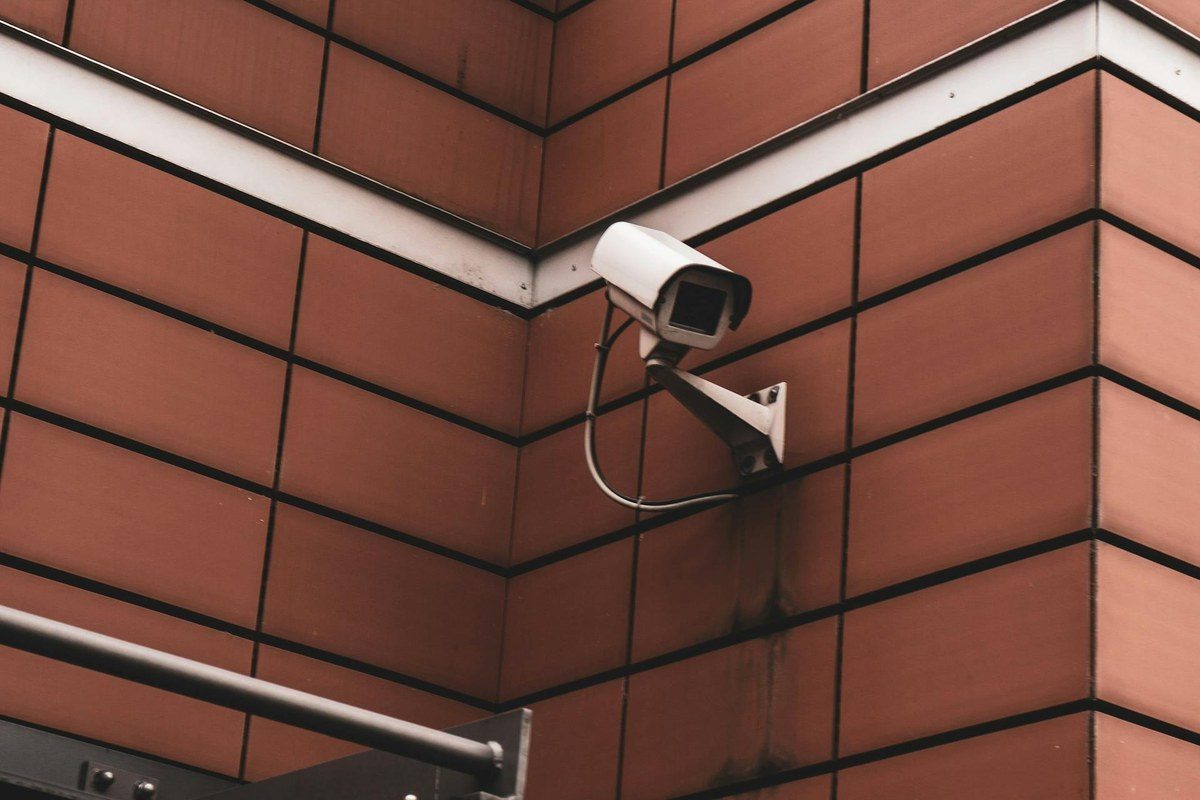
A Framework for Community Security Beyond the Guard Booth
Effective community security requires more than guards and cameras. Gated communities need a written security governance framework covering assessments, policies, vendor oversight, and resident responsibilities.
Data Protection for Strata Corporations: What the DPA 2020 Requires
Your strata corporation collects personal data from every proprietor and visitor. Under the Data Protection Act, that makes you a Data Controller with legal obligations.

The Future of Community Security: AI and Automation in the Caribbean
Traditional security models are failing Caribbean communities. Here's how AI and automation are solving challenges that manual processes never could.